

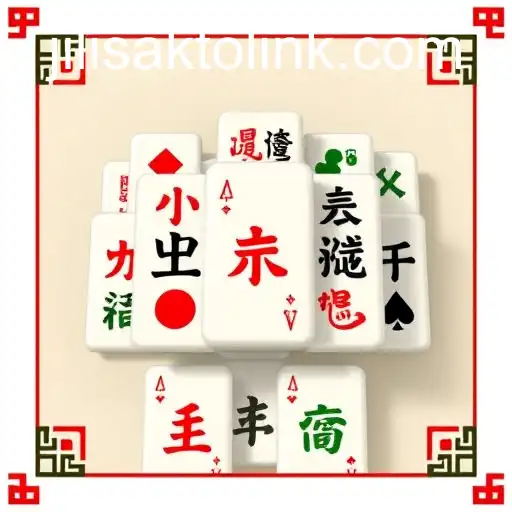

Dive into the world of Mahjong, an ancient game rich in strategy and skill. Discover its origins, rules, and cultural significance.
Understanding Mahjong: A Timeless Classic
Mahjong is more than just a game; it's an intricate dance of strategy, skill, and tradition. Origins trace back to ancient China, making it a game steeped in history and cultural significance. Often played with memory and wit, this tile-based game has charmed millions across the globe, transcending geographical boundaries and evolving in various regional styles.
Introduction to Mahjong
At its core, Mahjong is a game of four players. It involves 144 tiles based on Chinese characters and symbols. Players draw and discard tiles in a bid to form winning combinations, much like the card game Rummy. Despite its apparent simplicity, mastering Mahjong requires a deep understanding of tactics and focus, making it a beloved pastime among enthusiasts of all ages.
The Evolution of Mahjong
Historically, Mahjong's origins are shrouded in mystery. Some claim it was a royal pastime exclusive to the emperor's court, while others trace the game to ancient Chinese soldiers who played it to pass time. Over the centuries, it has evolved, with various forms emerging in distinct regions, each with its own set of rules and unique tiles. This evolution mirrors the changing societal norms and the spread of Chinese culture globally.
The Rules of Mahjong
Melding tradition with modernity, Mahjong can be learned with relative ease, but mastering its intricacies might take a lifetime. Players start with 13 tiles each and take turns to draw and discard until they complete a valid hand. A basic understanding of the suits – bamboos, characters, and circles – is essential. Moreover, players must recognize and form sets like Pungs (three of a kind), Kongs (four of a kind), and Chows (sequences).
The game's allure lies in its dynamic nature. Unlike many other tile games, luck is just a minor component. Players must exercise strategy, memorize discarded tiles, and anticipate opponents' moves, adding layers of complexity and excitement. Winning combinations or "hands" signal an end to the round, allowing players to accumulate points based on their hands' rarity and difficulty.
Current Trends and Cultural Impact
The cultural significance of Mahjong extends beyond mere gaming. It serves as a social link across generations, with families gathering for marathon sessions during festive occasions. In recent years, Mahjong has seen a resurgence due, in part, to its digital transition. Online platforms like JILISakto.COM reimagine traditional Mahjong, making it accessible to a new generation of gamers eager to embrace cultural roots in a tech-savvy world. Such platforms often feature user-friendly interfaces and interactive tutorials, helping novices ease into the game's multifaceted nature.
In a modern context, Mahjong has also found its place in popular culture. It has been highlighted in films, referenced in literature, and has even inspired fashion lines. Global Mahjong tournaments now attract players from various walks of life, fostering a sense of community and competition on an international scale.
Learning and Mastering Mahjong
To truly appreciate the depth of Mahjong, one should immerse themselves in its practice. New players are often advised to start with simplified versions or app-based tutorials that guide through the basics step-by-step. Over time, with repeated play and an analytical approach, players develop their strategic mindset, a necessity for foreseeable moves and counterplays.
Mahjong's educational benefits are noteworthy. It encourages cognitive skills like memory retention and pattern recognition. These skills make it a popular tool for neurological studies and an engaging mental exercise for older adults, offering a blend of entertainment and cognitive longevity.
Mahjong and Its Global Appeal
As the world becomes more interconnected, cultural exchanges like Mahjong gain prominence. Its integration into different cultures has led to regional variations, ensuring its continual evolution. Each version reflects the heritage and playing habits of its native players, from American Mahjong, with its unique card-based scoring, to the fast-paced Japanese Riichi Mahjong.
Now more than ever, Mahjong serves as a bridge, connecting diverse cultural identities under a shared love for strategic gaming. Whether played in traditional settings or on platforms like JILISakto.COM, it remains a treasured relic of antiquity and a beacon of cross-cultural camaraderie.